- Hotline: (+84) 938 520 379
- Email: info@eurorack.com


EURORACK MECHANICAL JSC

AMR, short for Autonomous Mobile Robot, is a type of robot that can understand and move independently within its environment. Use sophisticated sensors, artificial intelligence, machine learning, and computing to plan routes, interpret, and navigate within their.
Autonomous Mobile Robots (AMRs) are intelligent robotic solutions designed to optimize operations in modern warehouses and factories. By applying advanced sensors, artificial intelligence, and smart control software, AMRs are capable of self localization, autonomous navigation, obstacle avoidance, and safe collaboration with humans. This solution helps businesses reduce labor costs, improve productivity, ensure operational safety, and flexibly adapt to various working environments. In the content below, readers will gain a clearer understanding of AMR operating principles, structural components, technical specifications, key advantages, and the differences between AMRs and AGVs, supporting businesses in selecting the most suitable automation solution for their warehouse operations.

Autonomous Mobile Robots (AMRs) use sophisticated sensors, artificial intelligence, machine learning, and computing to plan routes, interpret, and navigate within their environment without being constrained by complex wired power sources. Equipped with cameras and sensors, AMRs can easily overcome obstacles (such as barriers, boxes, and humans) using navigation techniques like collision avoidance to slow down, stop, or reroute their path, subsequently completing their tasks.
The following technical specifications highlight the capabilities and advanced features of AMRs, emphasizing their suitability for various warehouse environments, from logistics and fast-moving consumer goods warehouses to cold storage facilities.
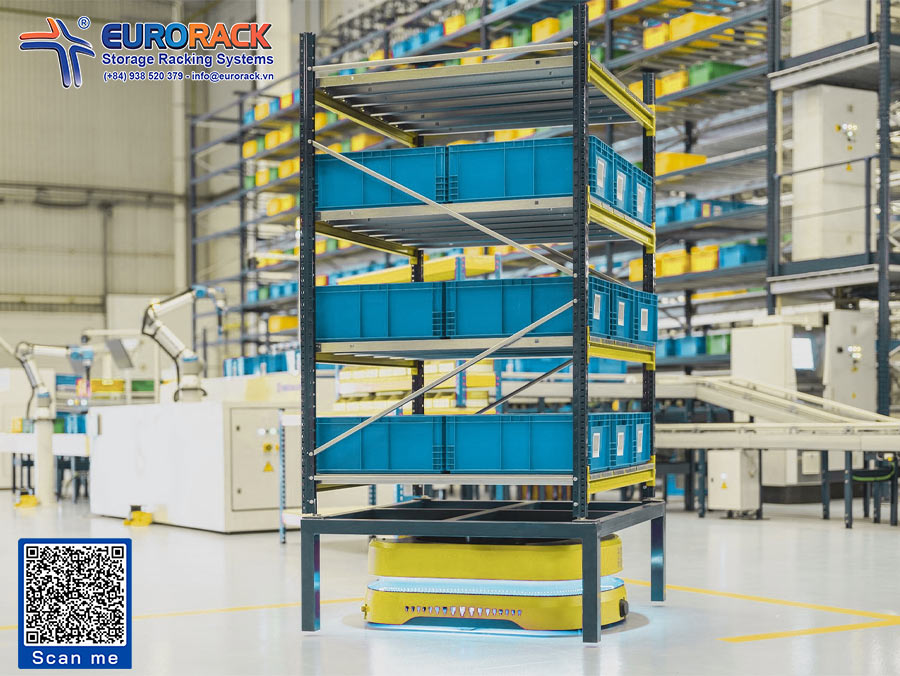
AMR uses a lithium battery with an operating time of 8 - 10 hours
The structural components play a crucial role in creating an intelligent and safe Autonomous Mobile Robot (AMR), meeting stringent operational productivity requirements and providing economic and labor benefits.

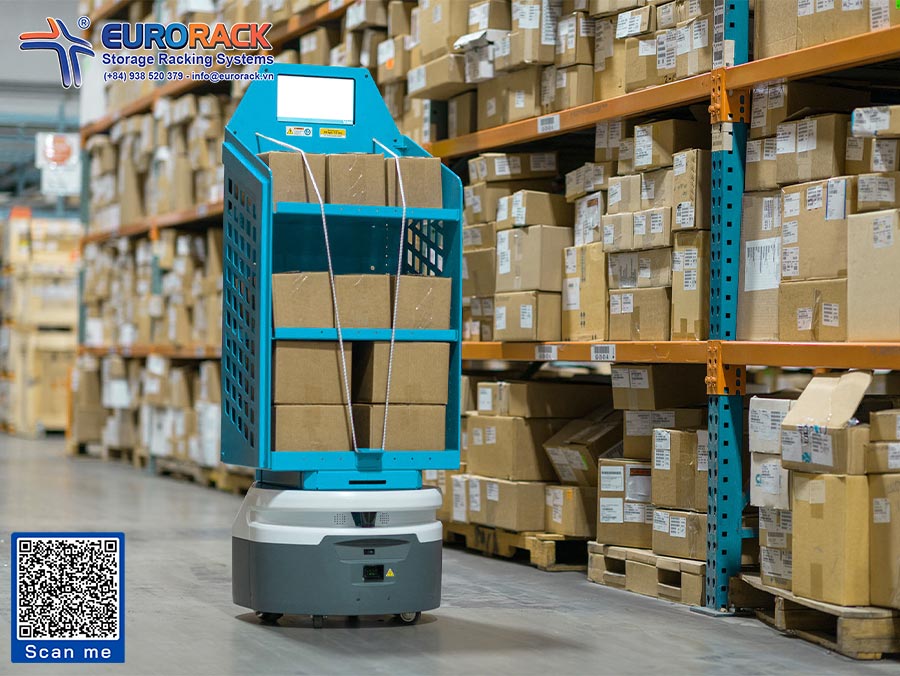
The AMR is equipped with sensors to detect obstacles and people
Similar to other automated robotic systems, AMRs offer exceptional benefits that significantly improve operational efficiency and business performance. Below are the most notable advantages of AMRs:
AMRs can replace humans in transporting goods, reducing the need to hire staff and saving labor costs. AMRs operate independently without human intervention, eliminating potential issues arising from employee skill levels.
AMRs operate based on pre-programmed languages, ensuring high accuracy and absolute safety during transportation. They function stably in harsh environments such as cold storage or high-temperature factories without interruption. Equipped with obstacle and human detection sensors, AMRs enhance workplace safety.
AMRs can operate continuously without breaks, stopping only when the battery needs recharging. This significantly improves labor productivity. When integrated with other automated systems like conveyor belts and shuttle robots, AMRs further enhance work efficiency.
Most current AMR models are designed for easy replacement of parts and components. Additionally, motor upgrade services are popular for units requiring higher load capacities than initially needed without additional investment in new equipment.
AMR batteries can be charged directly on the vehicle or quickly swapped at charging stations, ensuring uninterrupted warehouse operations and increased work efficiency.
AMRs help optimize work processes by automating repetitive and tedious tasks, reducing human errors, and increasing work efficiency.
AMRs can navigate flexibly in complex work environments, easily changing routes when necessary without affecting work progress.
Using AMRs helps minimize goods damage due to collisions or human errors, ensuring product quality and reducing financial losses.

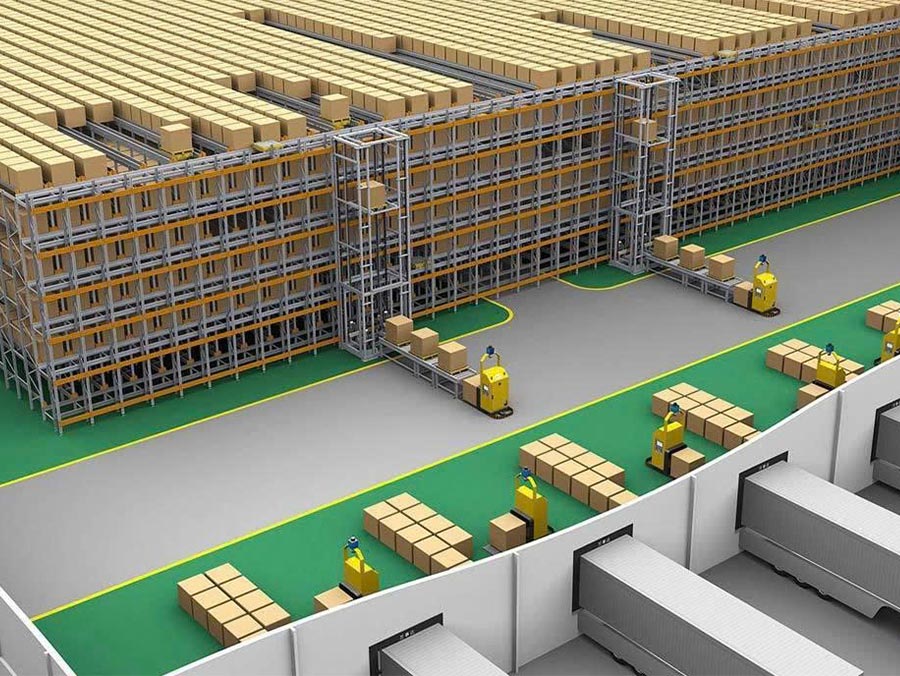
AMR moves automatically to help optimize work efficiency
AMR is an intelligent autonomous robot solution that helps warehouses operate more flexibly, reduce reliance on labor, improve safety, and optimize continuous performance in various environments. Contact Eurorack for practical consultation, on site assessment, and a clear roadmap to automate your warehouse efficiently and sustainably.
AMRs are more advanced and intelligent than AGVs, combining cutting-edge technology. They are more sophisticated and flexible, requiring changes and upgrades to perform different tasks. With improved autonomy, AMRs are designed to quickly adapt to navigation changes. However, as AMR technology is relatively new, its capabilities are still limited. In the case of self-learning AMRs, there is room for errors and adjustments, which may increase the initial workload of using them. Managing large fleets of AMRs can be challenging, but AGVs handle it relatively well. Autonomous mobile robots have the strongest functions in complex environments requiring autonomy, whereas guided vehicles are suitable for operations not requiring frequent changes.
Difference between AMR and AGV
The above information provides a basic overview of Autonomous Mobile Robots (AMRs) provided by Eurorack. If you have any questions during your research, please contact us for prompt support.
>>> See more automation products here: Automated Warehouse Systems - Smart Storage Solutions for the Future.



.jpg)


.jpg)

.jpg)