- Hotline: (+84) 938 520 379
- Email: info@eurorack.com


EURORACK MECHANICAL JSC
In modern warehouse management, choosing the right storage method not only impacts operational efficiency but also directly affects costs, product quality, and inventory control.
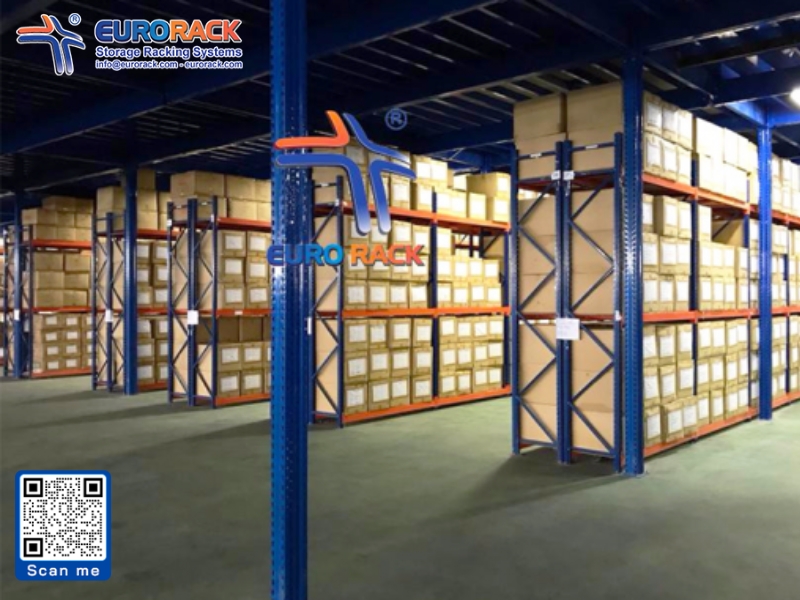
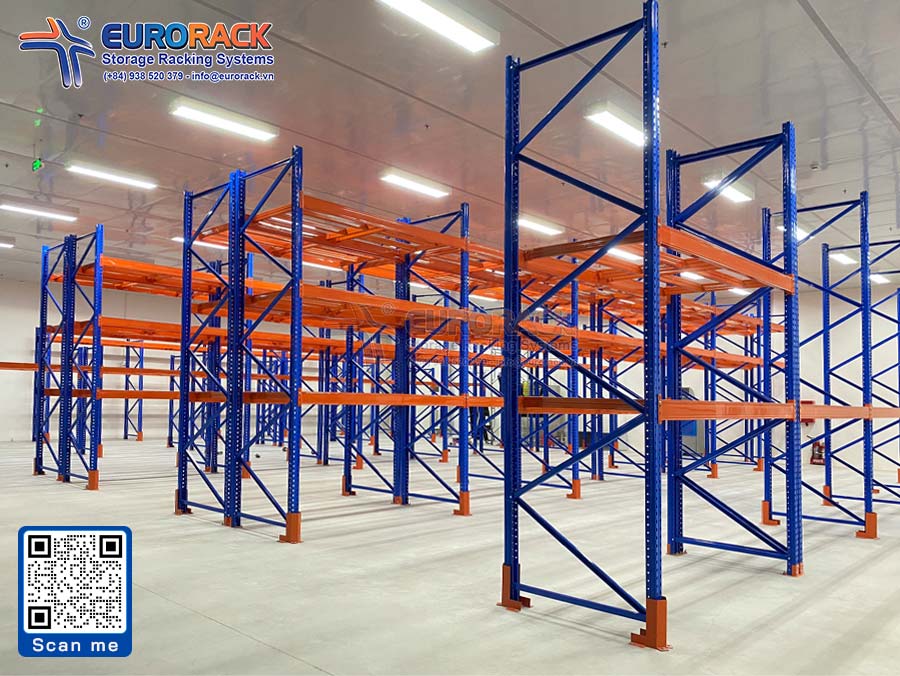
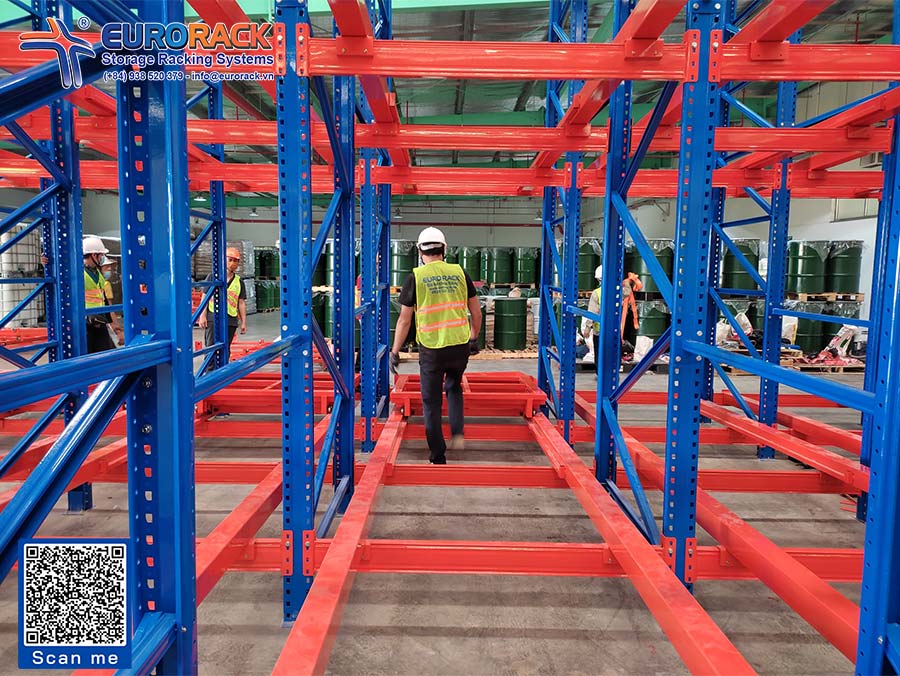
The two most common models today are FIFO (First In First Out) and LIFO (Last In First Out). When combined with systems such as warehouse racking systems, automated racking systems, shuttle racking systems, or robot shuttle systems, each method offers distinct advantages.
So, should businesses choose FIFO or LIFO? This article will help you understand both and make the right decision.
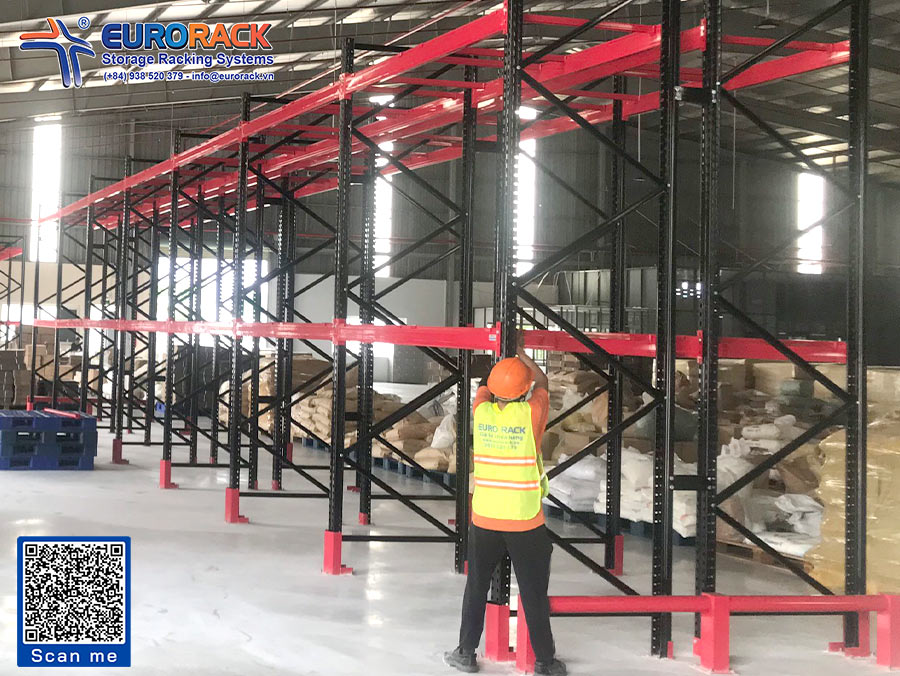
FIFO is an inventory management method based on the principle:
first goods in are the first to be shipped out.
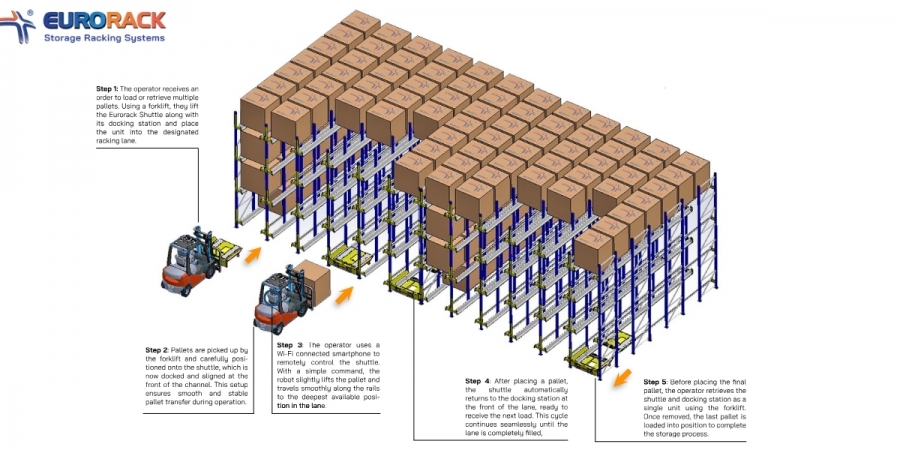
LIFO operates on the opposite principle:
last goods in are the first to be shipped out.
| Criteria | FIFO | LIFO |
|---|---|---|
| Principle | First in – First out | Last in – First out |
| Inventory control | High | Moderate |
| Suitable for perishable goods | Yes | No |
| Storage density | Medium | High |
| Handling speed | Stable | Fast in deep-lane systems |
| Racking applications | Flow racks, automated systems | Shuttle racking, drive-in systems |
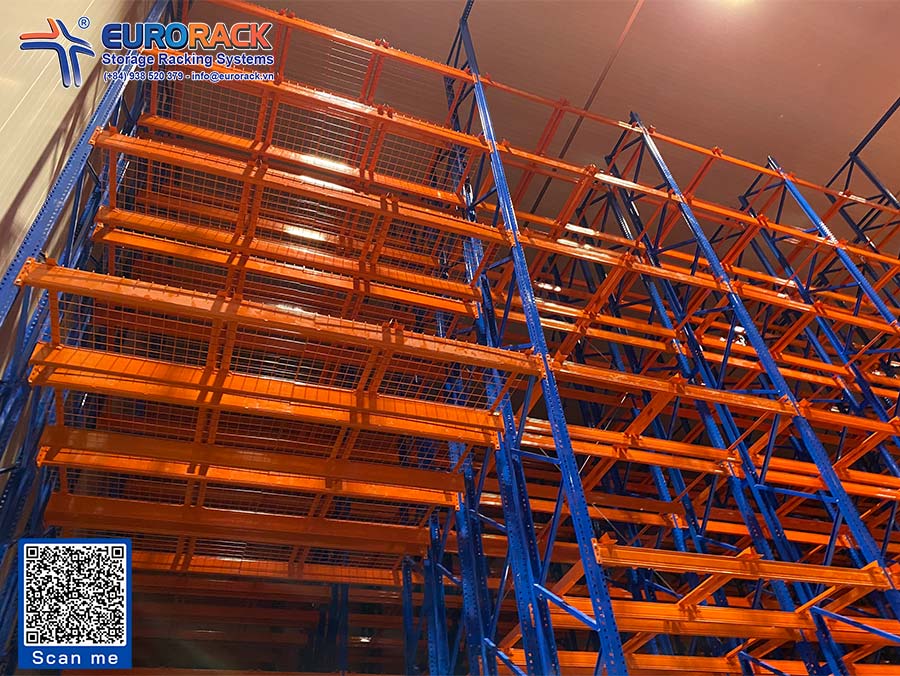
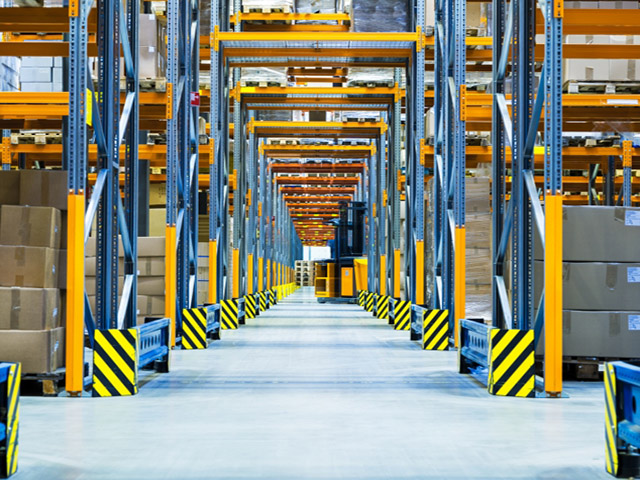
In automated warehouse racking systems, FIFO is commonly applied thanks to its ability to precisely control product flow and integrate seamlessly with warehouse management systems (WMS).
The FIFO mechanism in automated systems allows:
The biggest advantage of combining automated racking systems with FIFO is the ability to maintain operational consistency, especially in environments that require high accuracy.
This model is commonly used in:
In addition, FIFO in automated warehouse racking systems helps businesses:
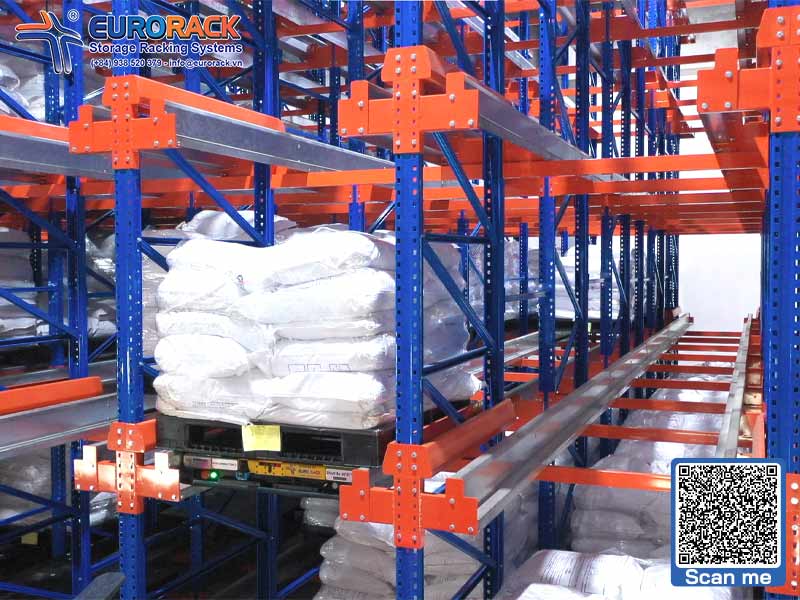
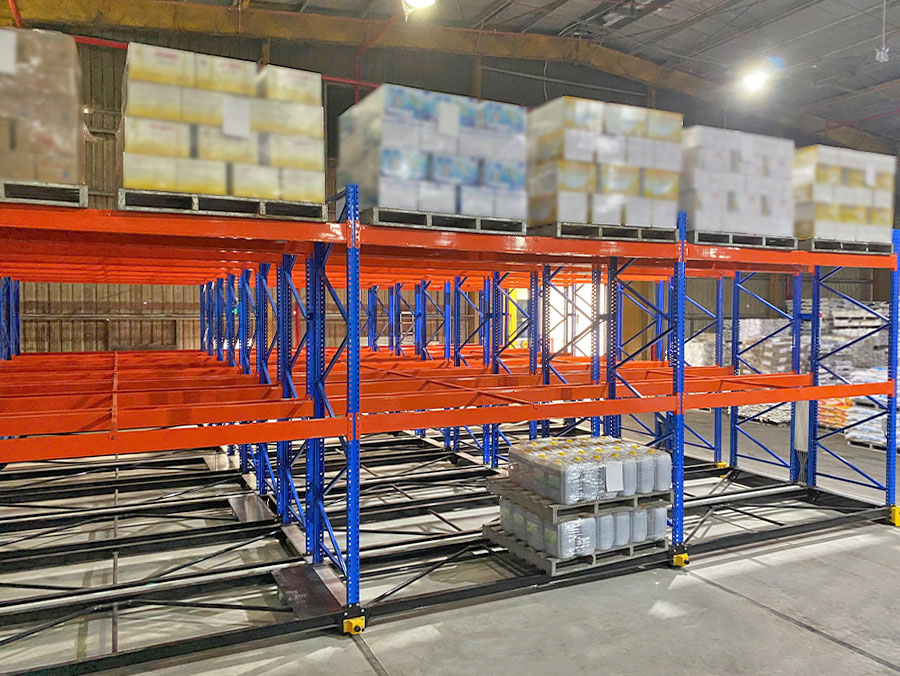
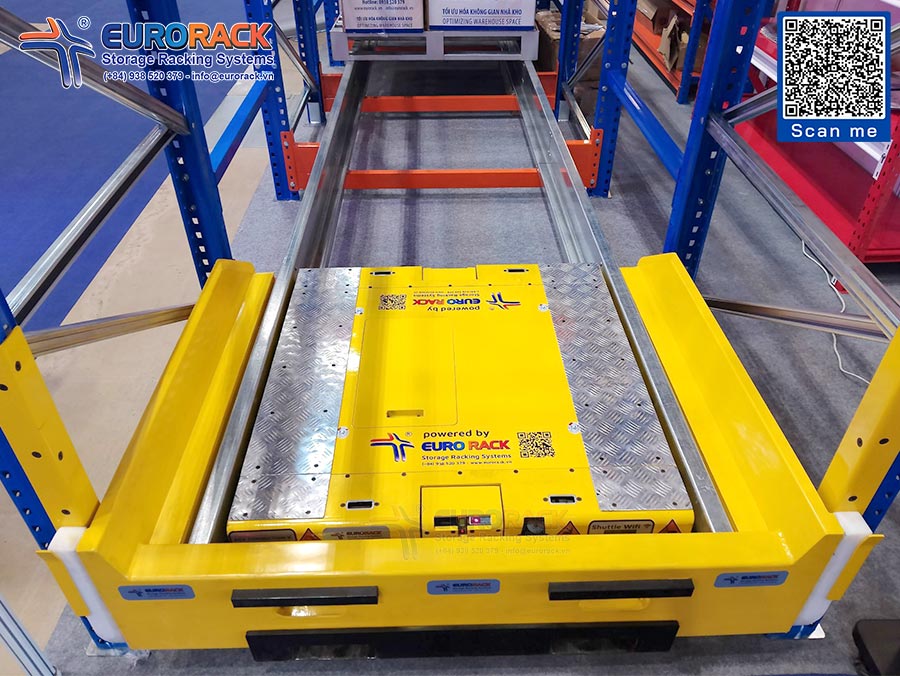
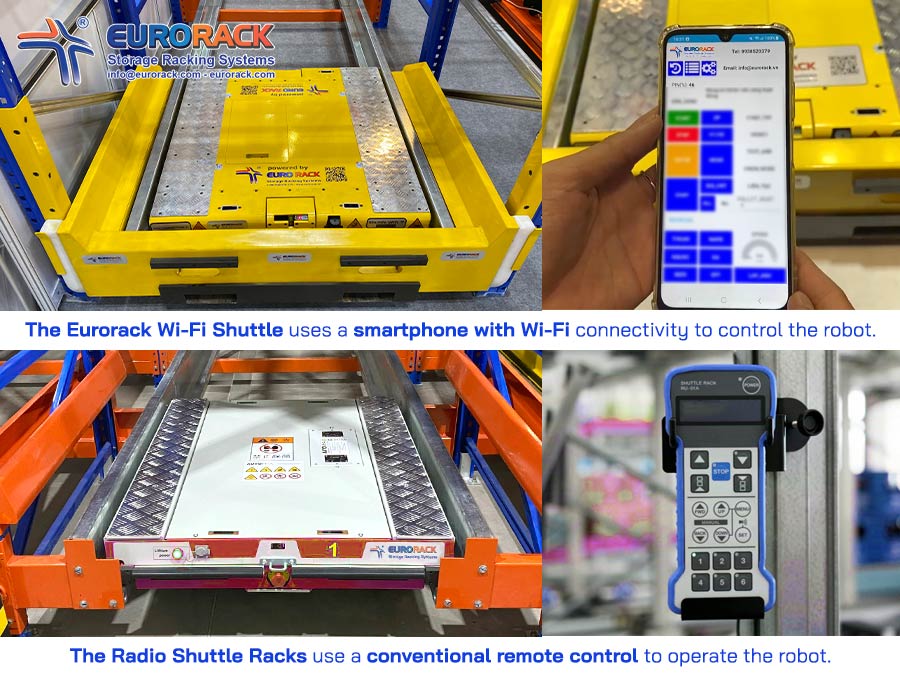
In contrast, shuttle racking systems and solutions using robot shuttle systems typically operate based on the LIFO principle due to their deep-lane storage design.
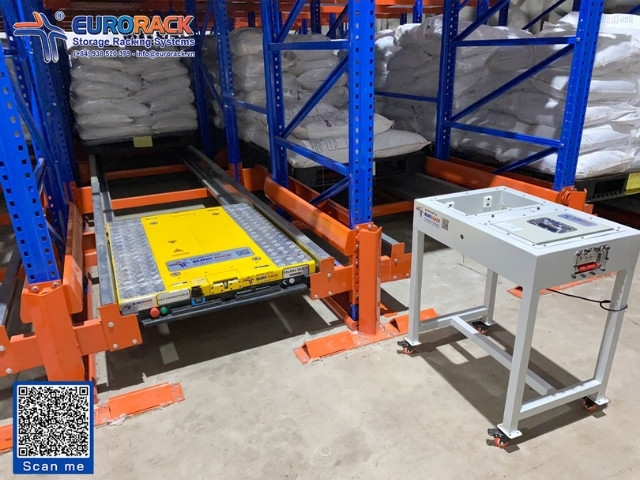
In this model:
This operation method helps:
Another key advantage is reducing reliance on forklifts. Instead of moving deep into the racking lanes, forklifts only operate at the front, while internal transportation is handled by robot shuttle systems.
LIFO combined with shuttle racking systems is particularly suitable for:
However, businesses should note that LIFO is not suitable for perishable goods, as it makes it difficult to control product rotation.
In reality, very few businesses rely on only one method. Instead, the current trend is to flexibly combine FIFO and LIFO within the same warehouse racking system.
This approach is typically implemented by zone:
This hybrid approach offers several benefits:
Especially when combining automated racking systems, shuttle racking systems, and traditional systems, businesses can build a hybrid warehouse model that balances efficiency and cost.
Choosing between FIFO and LIFO should not be based on trends, but rather on the actual operational needs of the business and the structure of the warehouse racking system.
FIFO is the optimal choice if your business:
Additionally, FIFO is highly suitable for businesses aiming to standardize operations and implement modern warehouse management systems.
LIFO is effective when:
In many cases, LIFO helps reduce initial investment costs while still maintaining efficient storage performance in warehouse racking systems.
The choice should also be based on business size and growth stage:
Investments can be made in phases, without the need to overhaul the entire warehouse racking system at once.
In the era of warehouse automation, FIFO and LIFO are no longer separate choices but complementary strategies in modern warehouse racking systems.
FIFO helps businesses maintain product quality and control inventory flow, while LIFO optimizes storage space and reduces operational costs.
The future trend is not about choosing one over the other, but about building a flexible warehouse system that can adapt to multiple storage strategies. When combined with solutions such as automated racking systems, shuttle racking systems, and robot shuttle systems, businesses can significantly enhance operational efficiency and gain a sustainable competitive advantage.


.jpg)