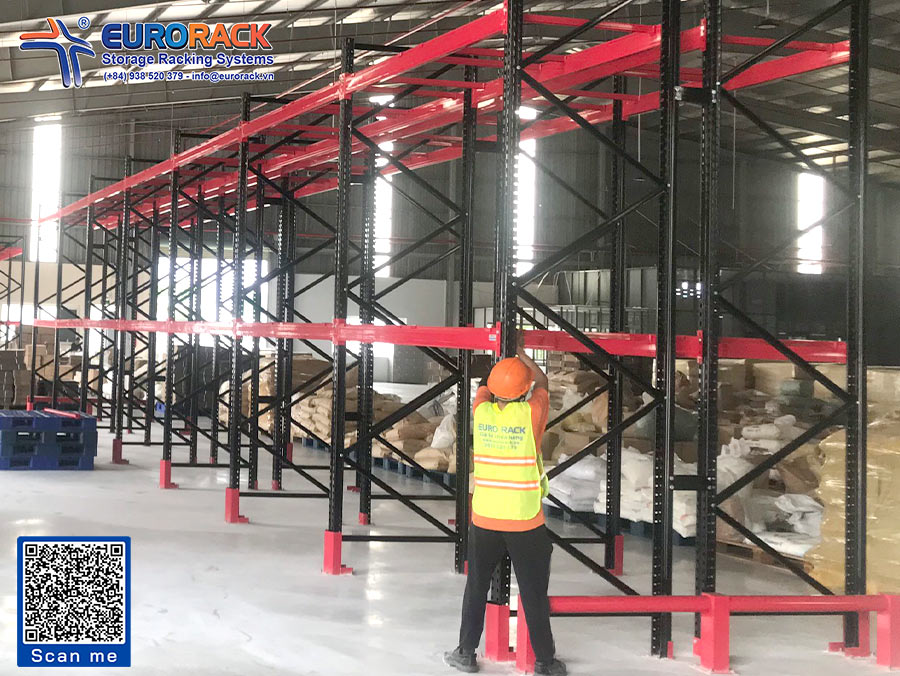
- Hotline: (+84) 938 520 379
- Email: info@eurorack.com


EURORACK MECHANICAL JSC
In the context of rapidly growing logistics and manufacturing industries, the demand for optimizing warehouse space and improving operational efficiency is becoming increasingly critical. Businesses not only need high-density storage solutions but also require fast, accurate, and cost-effective operations.
As a result, automated racking systems are becoming one of the most preferred modern storage solutions. These systems not only maximize space utilization but also enhance operational efficiency through advanced warehouse automation technology and robotics.
So, what is an automated racking system, how does it work, and is it suitable for your business? Let’s explore in detail in the article below.
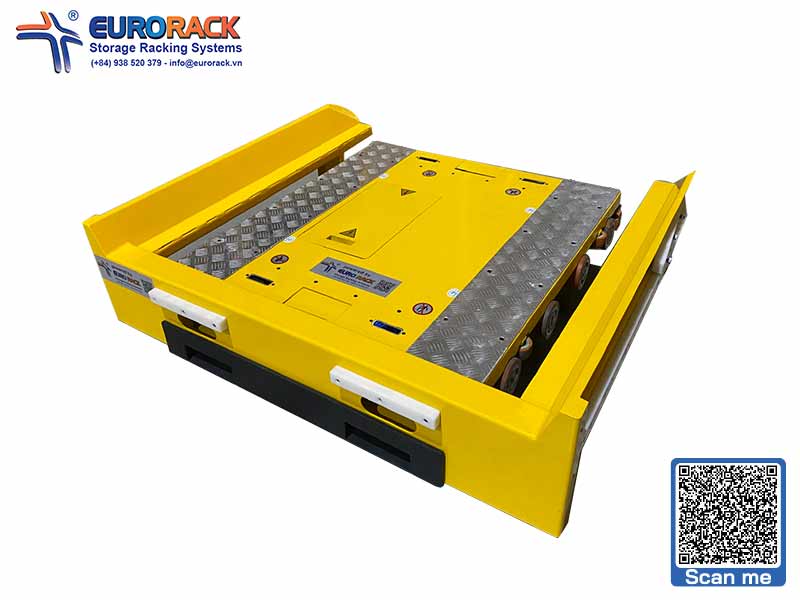
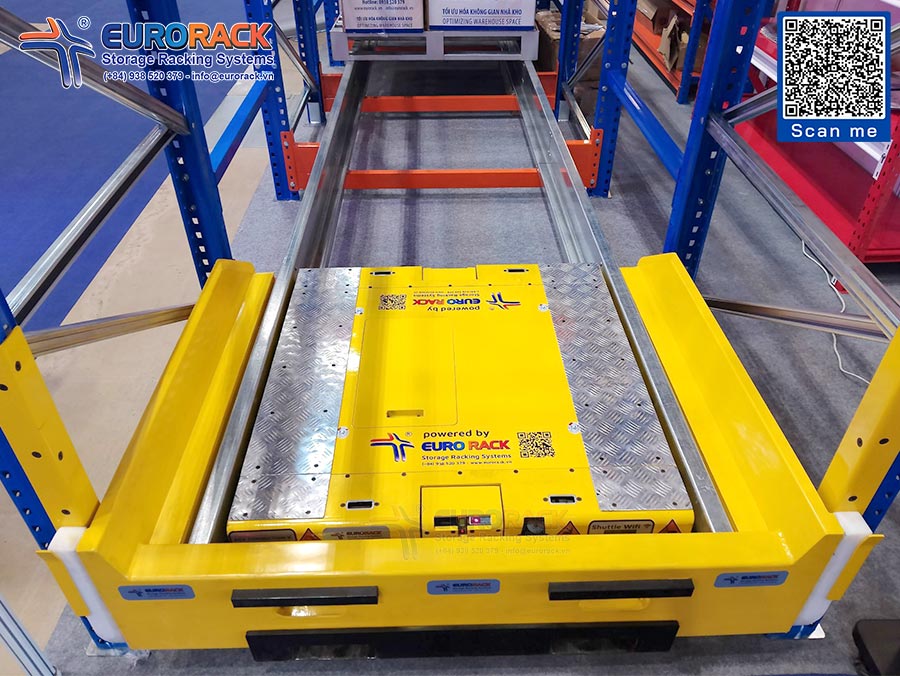
An automated racking system is a warehouse storage solution integrated with automation technology, allowing goods to be moved, stored, and retrieved automatically or semi-automatically through shuttle robots, pallet shuttles, or intelligent control systems.
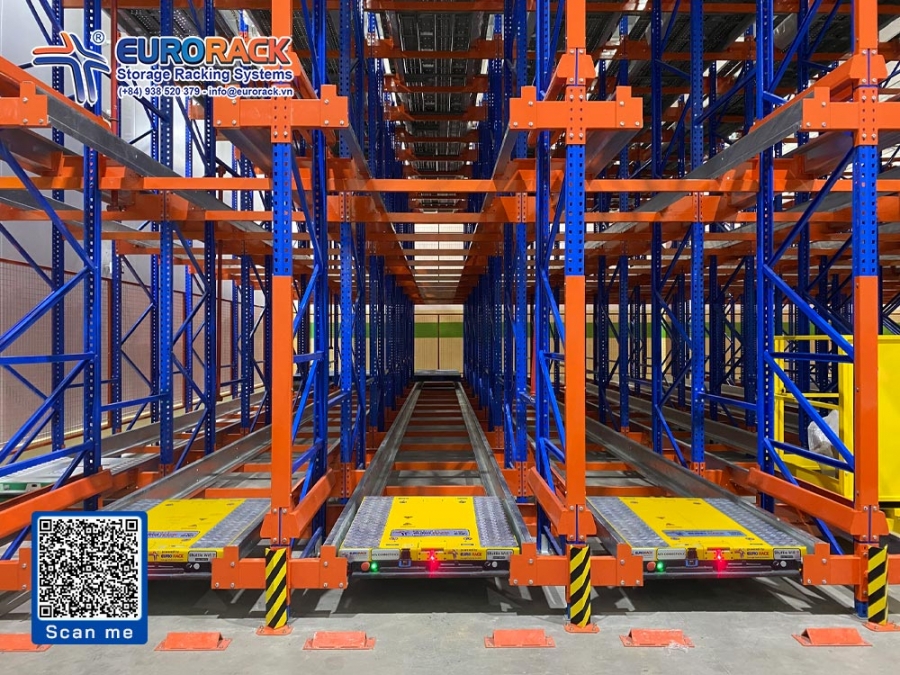
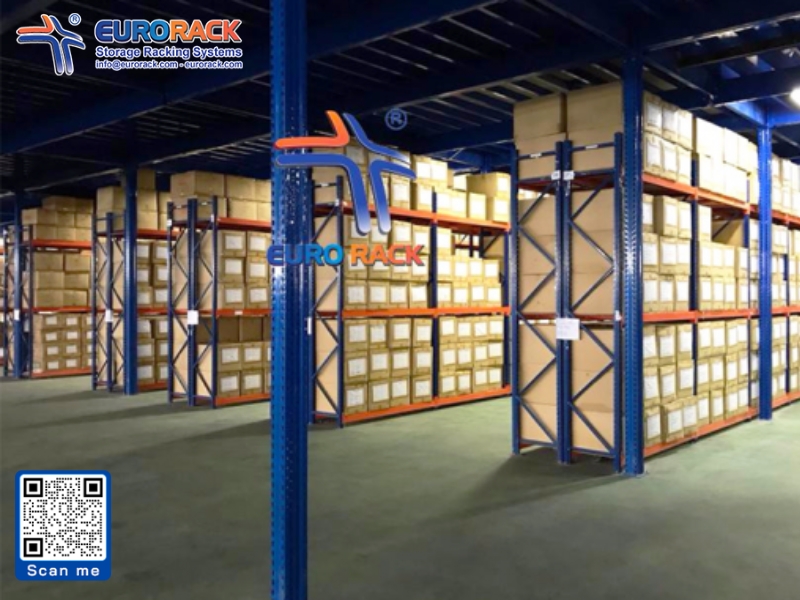
Unlike traditional racking systems that heavily rely on forklifts and manual labor, automated racking uses technologies such as shuttle robots and smart warehouse control systems to handle pallets. This helps reduce errors, improve processing speed, and optimize storage space.
Today, automated racking systems are widely used in:
Thanks to automation capabilities, this system is becoming a key component of the modern smart warehouse model.
A complete automated racking system consists of multiple components working together to ensure smooth and efficient operation.
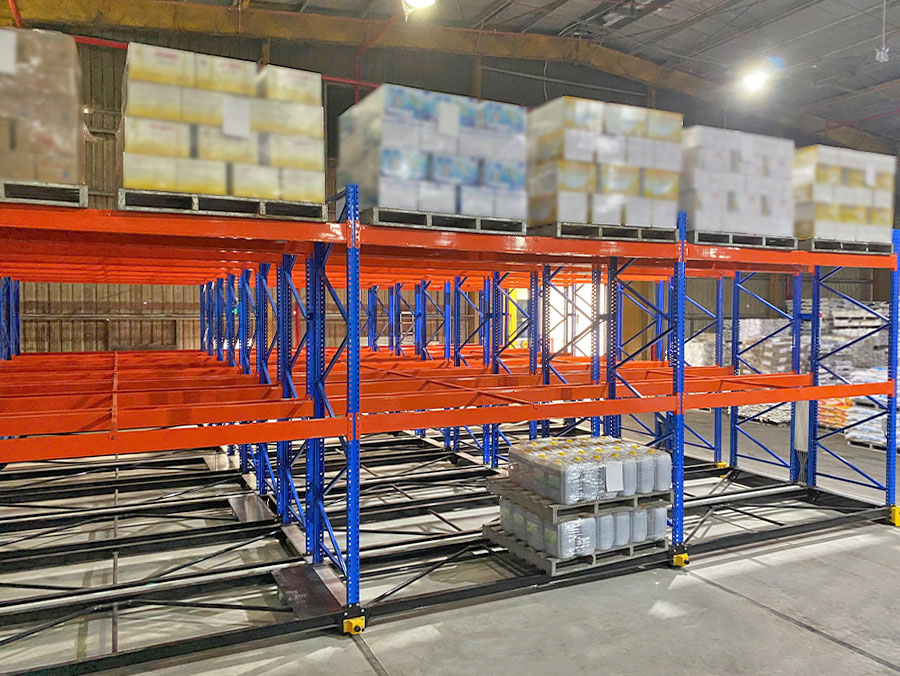
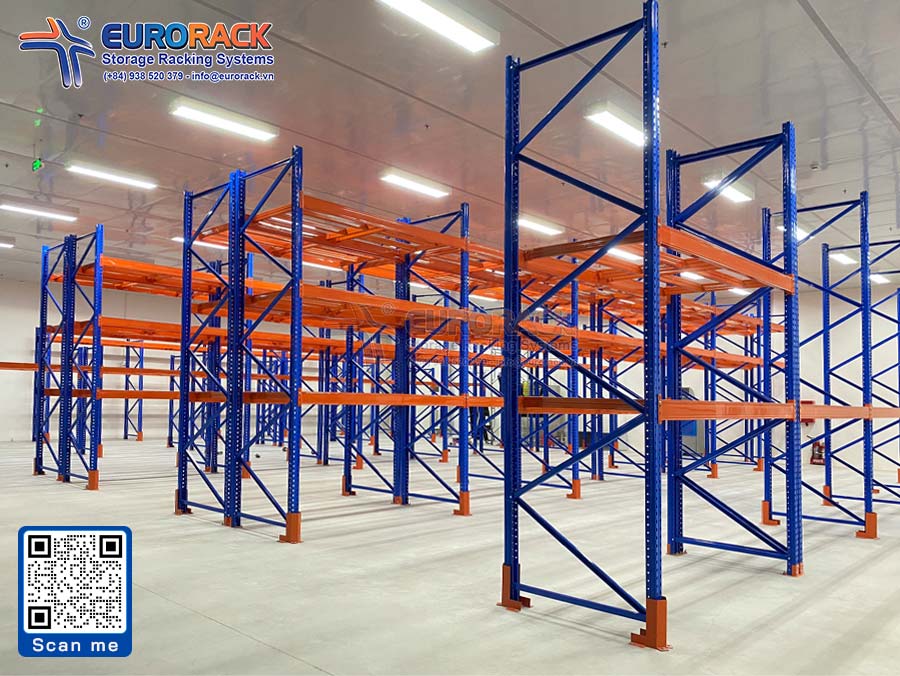
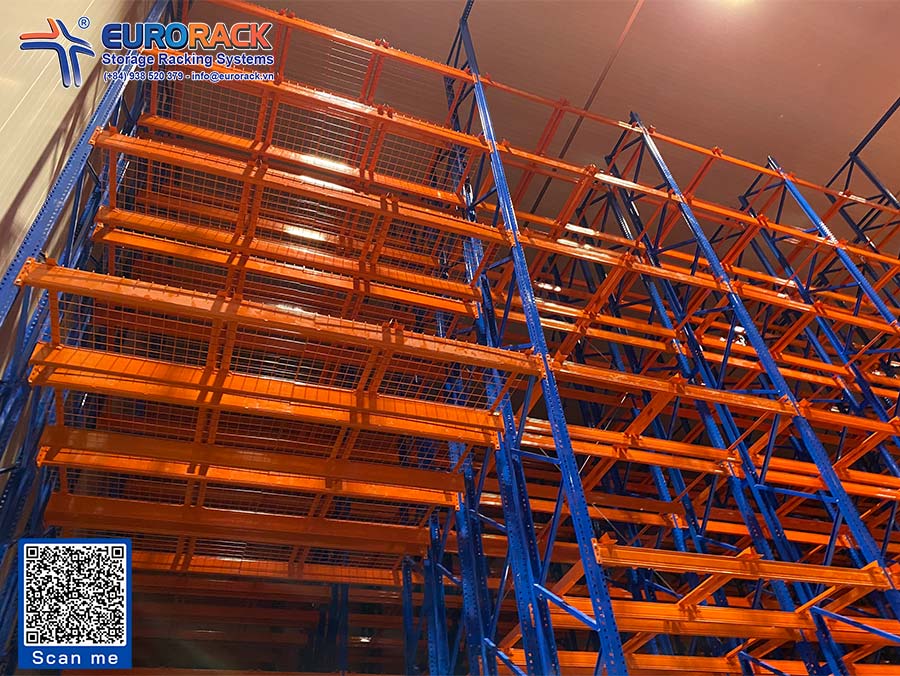
This is the main structural component, typically made from high-strength steel. The racking is designed for deep-lane and high-density pallet storage, maximizing warehouse space.
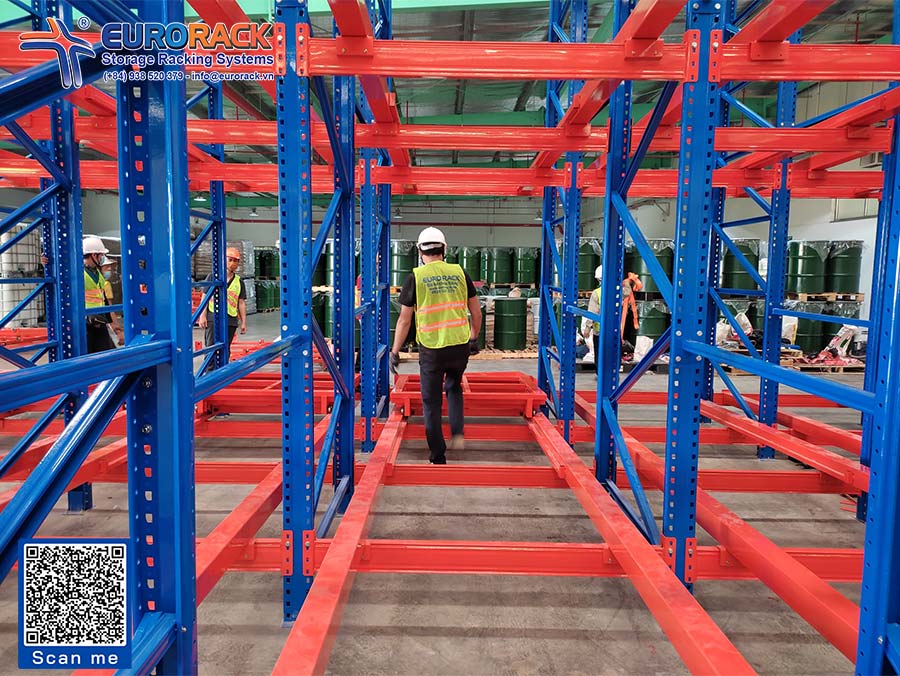
The rail system is installed inside the racking, allowing shuttle robots or pallet shuttles to move pallets efficiently within the system.
Equipment such as shuttle robot systems or pallet shuttles are responsible for:
Shuttle robots can operate continuously with high precision, reducing labor dependency and increasing warehouse efficiency.
Automated racking systems are typically integrated with management software such as WMS (Warehouse Management System) or controlled via WiFi.
This allows:
Advanced systems such as WiFi pallet shuttle systems enable operators to control shuttle robots via smartphones or tablets, making operations more flexible and efficient.
An automated racking system operates through the coordination of shuttle robots, racking structures, and control software.
The operation typically follows these steps:
This process significantly reduces handling time and improves warehouse productivity.
Within this system, shuttle robots play a key role in warehouse automation:
As a result, automated racking systems significantly enhance operational efficiency and warehouse safety.
Today, automated racking systems are developed with various technologies to meet diverse warehouse storage needs. Depending on warehouse size, product type, and investment budget, businesses can choose the most suitable automated storage solution.
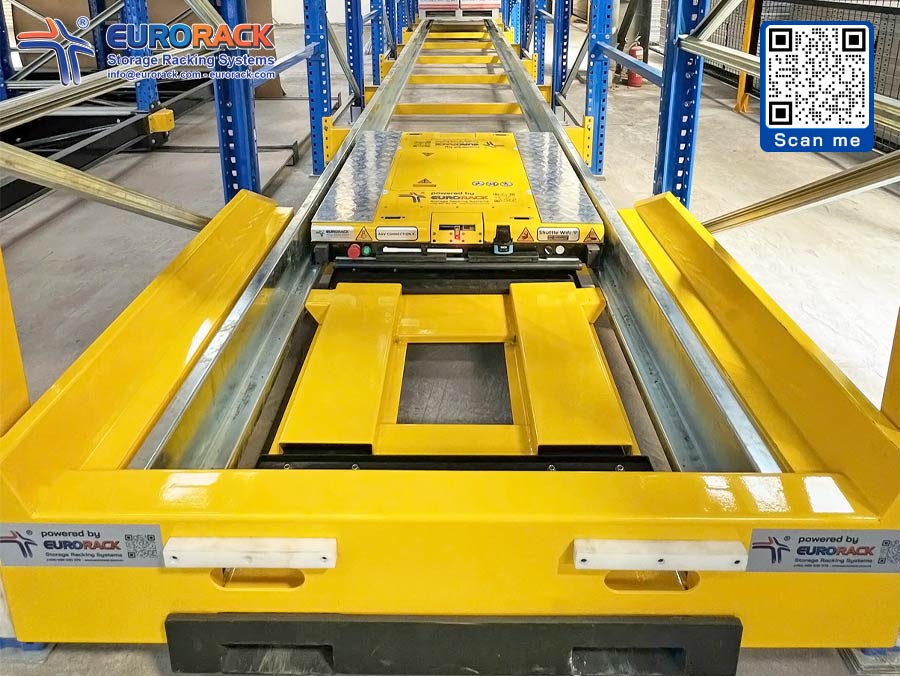
This is one of the most popular and widely used automated racking systems. It uses a shuttle robot running on rails to transport pallets deep into the racking system.
Instead of forklifts entering each lane as in traditional systems, pallet shuttles handle the storage and retrieval process, improving efficiency and safety.
Key advantages:
Additionally, modern systems such as WiFi pallet shuttle systems allow remote control via smart devices, making them a key solution in smart warehouse environments.
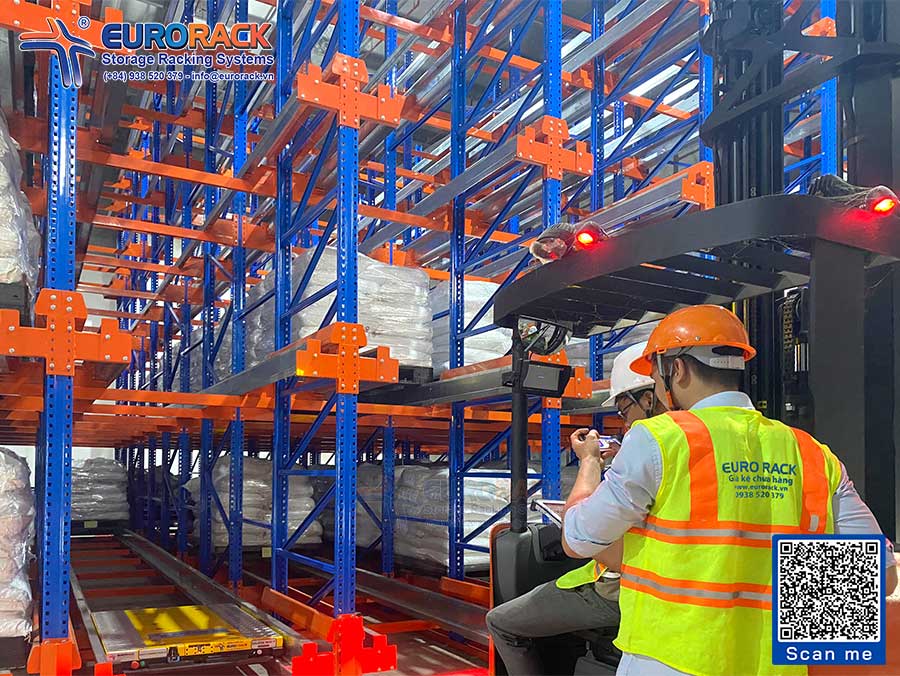
ASRS is a fully automated warehouse system that uses stacker cranes or robotic systems to store and retrieve goods. It is typically deployed in large-scale warehouses requiring high accuracy and continuous operation.
Key features:
Advantages:
However, the initial investment cost is relatively high, making it more suitable for large enterprises or major distribution centers.
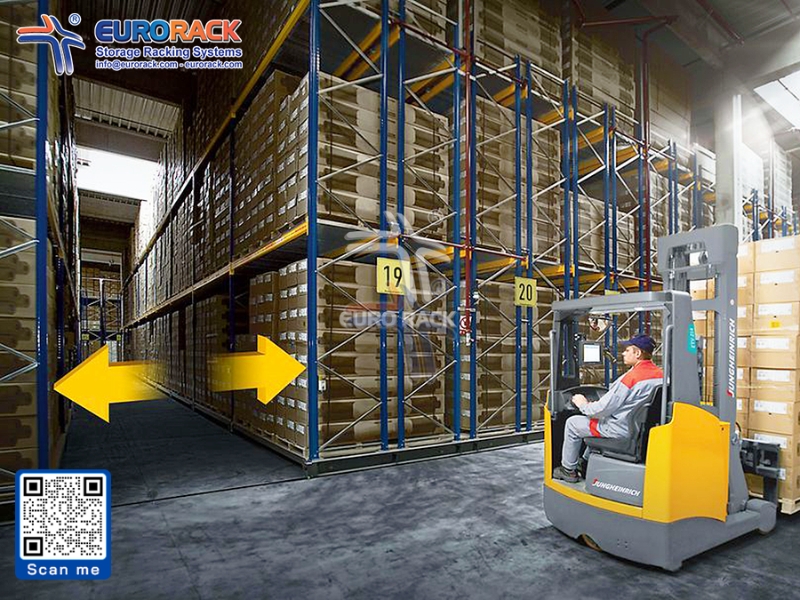
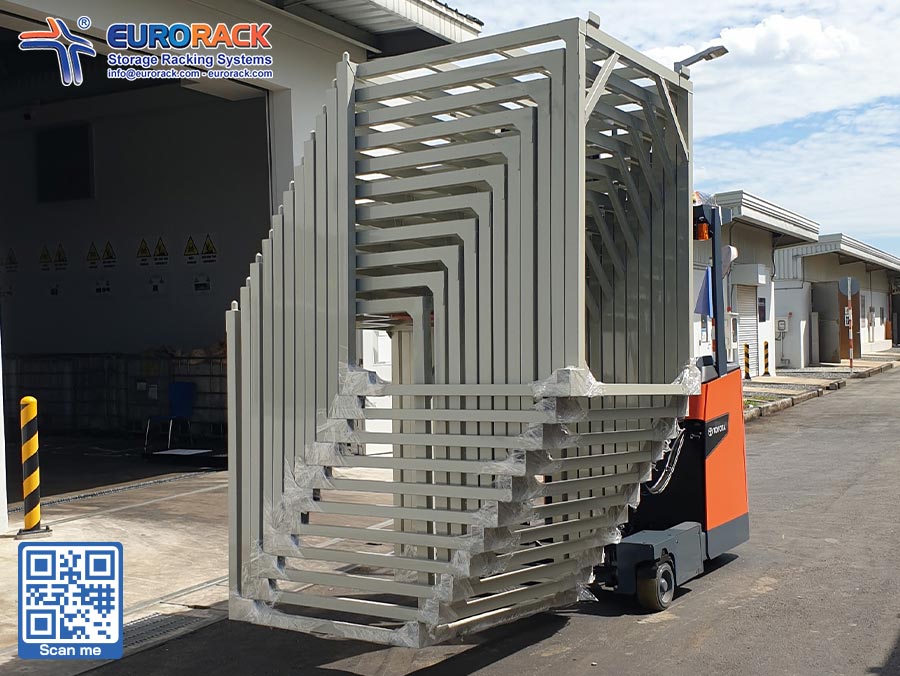
Mobile racking systems are installed on movable bases, allowing entire rack rows to slide along rails. This design requires only one aisle instead of multiple aisles like traditional systems.
The operation is simple: when access is needed, the system automatically opens an aisle by moving the racks. Operators can control the system via a control panel or integrated software.
Key features:
Advantages:
Compared to other systems, mobile racking is an ideal solution for businesses looking to increase storage capacity without expanding warehouse space.
| Criteria | Automated Racking | Traditional Racking |
|---|---|---|
| Storage density | High | Medium |
| Labor requirement | Low | High |
| Processing speed | Fast | Slow |
| Initial investment | Medium | Low |
| Long-term efficiency | High | Medium |
It is clear that automated racking systems are not just storage solutions but also a key step in warehouse automation. With the ability to optimize space, improve efficiency, and reduce operational costs, they are becoming an essential trend in logistics and manufacturing industries.
Solutions such as pallet shuttles, shuttle robots, and WiFi shuttle systems are increasingly adopted to build modern and efficient smart warehouse systems.
Today, many businesses are seeking optimized warehouse storage solutions from reputable providers like Eurorack to implement automated racking systems aligned with their operational needs and long-term growth strategies.
 Is an automated racking system suitable for all warehouses?
Not necessarily. Automated racking systems are best suited for medium to large warehouses, especially those requiring high-density storage or continuous operations. Smaller warehouses may not need immediate investment due to higher initial costs.
Is an automated racking system expensive?Initial investment is typically higher than traditional racking. However, in the long run, it helps reduce labor costs, improve efficiency, and optimize warehouse operations, making it a cost-effective solution.
Is pallet shuttle a type of automated racking?Yes. A pallet shuttle system is a semi-automated racking solution where shuttle robots assist in pallet movement and storage. It is popular due to its cost-effectiveness and ease of implementation.
Can automated racking systems operate in cold storage?Absolutely. Automated racking is highly suitable for cold storage environments as it reduces human exposure to low temperatures while maintaining efficiency and safety.
Which businesses should invest in automated racking?Automated racking systems are ideal for:
If your business faces storage limitations or high operational costs, this is a solution worth considering.
How does automated racking differ from traditional racking?The main difference lies in automation. Automated systems use shuttle robots and control systems, while traditional racking relies on forklifts and manual labor. This results in faster operations, fewer errors, and higher efficiency.
Does automated racking require maintenance?Yes. Like any technical system, regular maintenance is necessary to ensure stable operation and long lifespan. However, when properly used, these systems are highly durable and reliable.



.jpg)