- Hotline: (+84) 938 520 379
- Email: info@eurorack.com


EURORACK MECHANICAL JSC
Are you looking for the right warehouse racking system but unsure whether to choose traditional racks or automated racking systems? Or have you heard about shuttle racking and mobile racking but don’t know when to apply them?
This article provides a complete overview of modern warehouse racking systems, from basic to advanced solutions, while helping you choose the most suitable option for your business model.
In the rapidly growing logistics and manufacturing industries, warehouse racking systems are no longer just storage solutions but have become a key part of operational strategy.
Today, businesses focus not only on storage but also on:
That’s why combining traditional racking with automated racking systems is becoming an inevitable trend.

A modern warehouse racking system combines traditional storage racks with automation technologies such as automated racking, shuttle racking, and mobile racking.
Instead of relying entirely on manual labor and forklifts, these systems leverage technology to:
This helps businesses build more efficient and flexible warehouse operations in the long term.
Today, warehouse racking systems are designed in various forms to meet increasing storage demands. Depending on product characteristics, warehouse space, and investment budget, businesses can choose from traditional systems to advanced solutions such as automated racking, shuttle racking, or mobile racking.
Understanding each system helps optimize operational efficiency and investment costs.
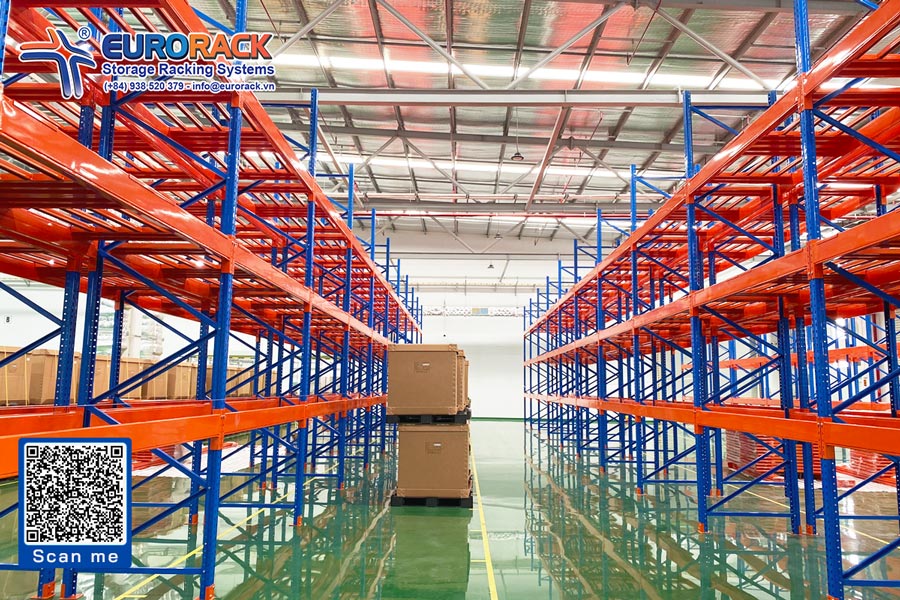
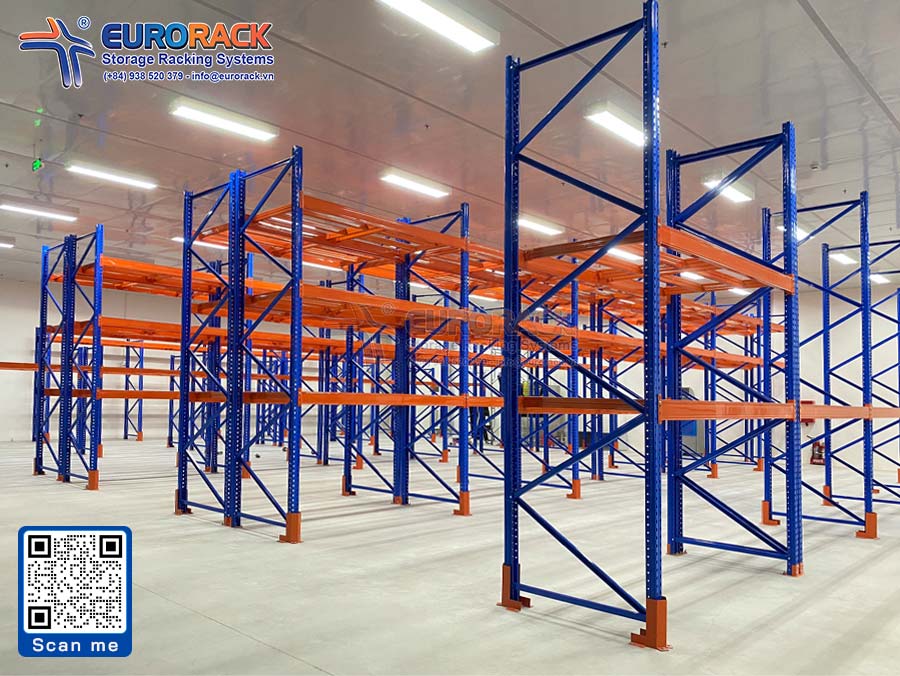
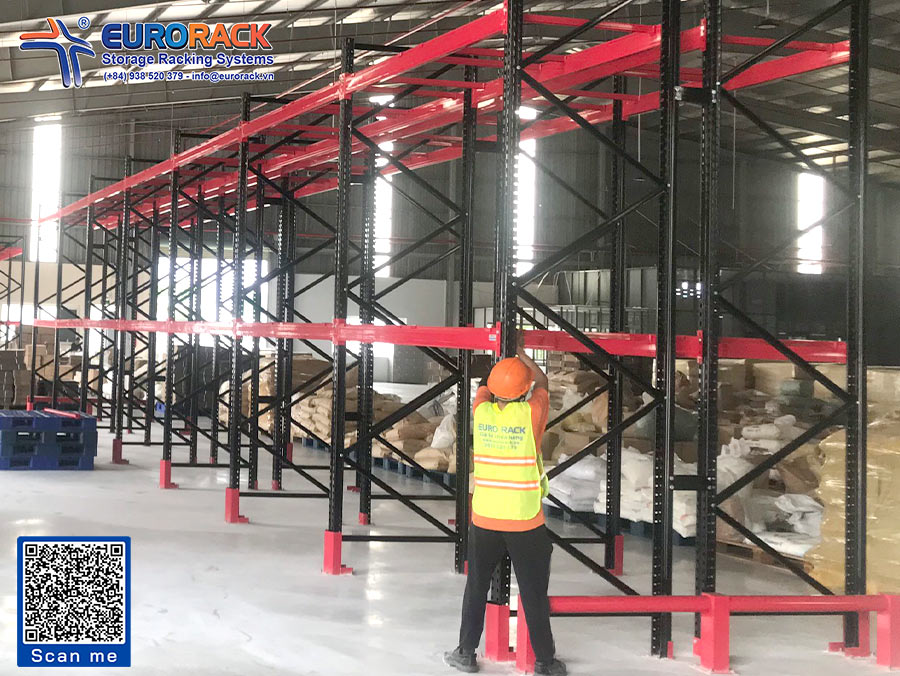
This is the foundational system widely used in most warehouses. Common types include:
Advantages:
However, the limitations include:
Automated racking systems are an upgraded solution that integrates technology to automate storage and retrieval processes.
This system helps:
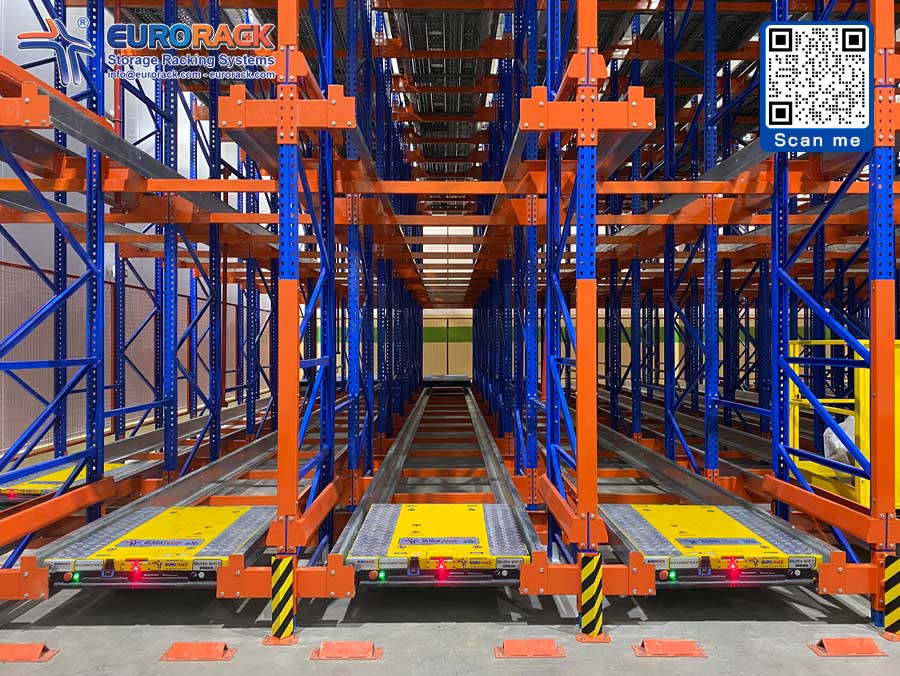
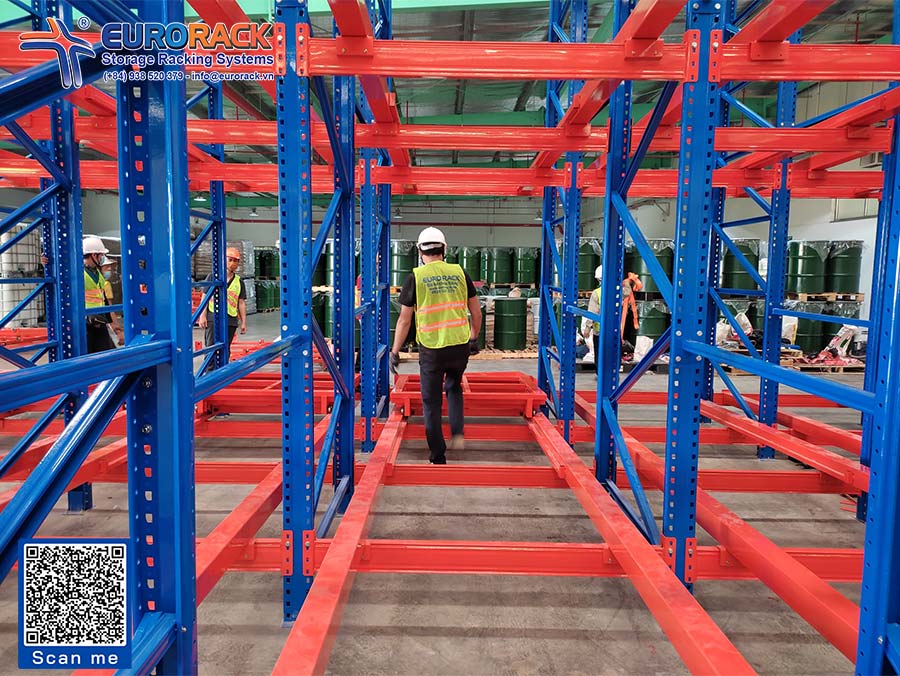
Shuttle racking is one of the most popular solutions within automated racking systems.
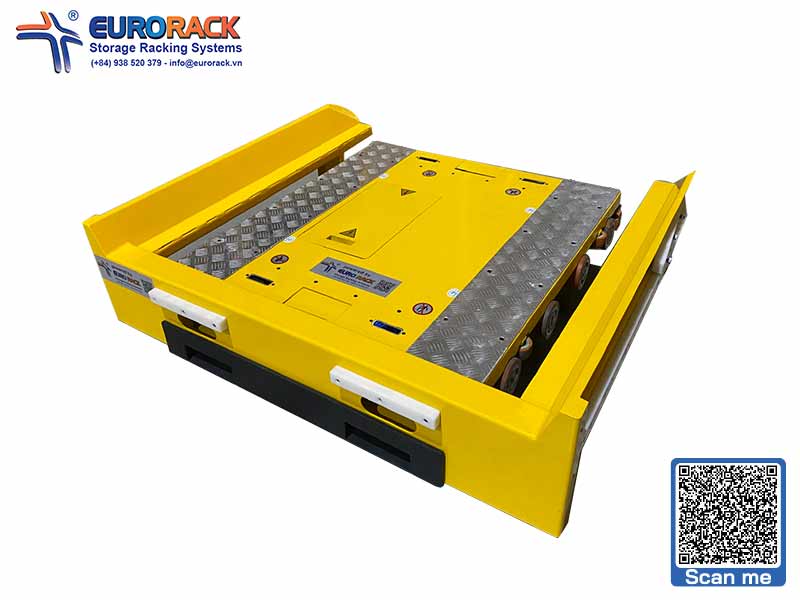
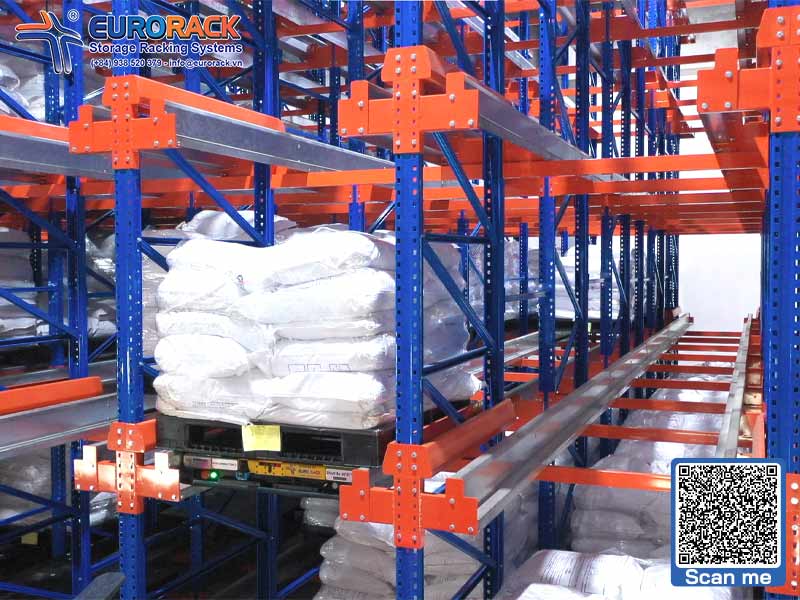
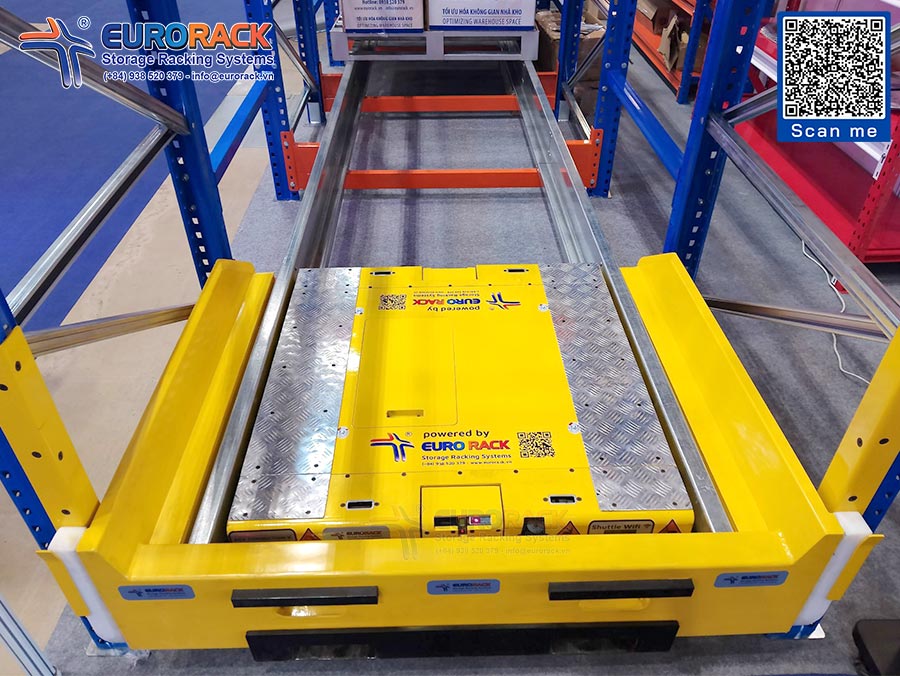
The system uses shuttle robots to move pallets inside the rack, eliminating the need for forklifts to enter deep lanes.
Key advantages:
Notably, shuttle robots can operate continuously with high precision, helping businesses improve efficiency while controlling costs.
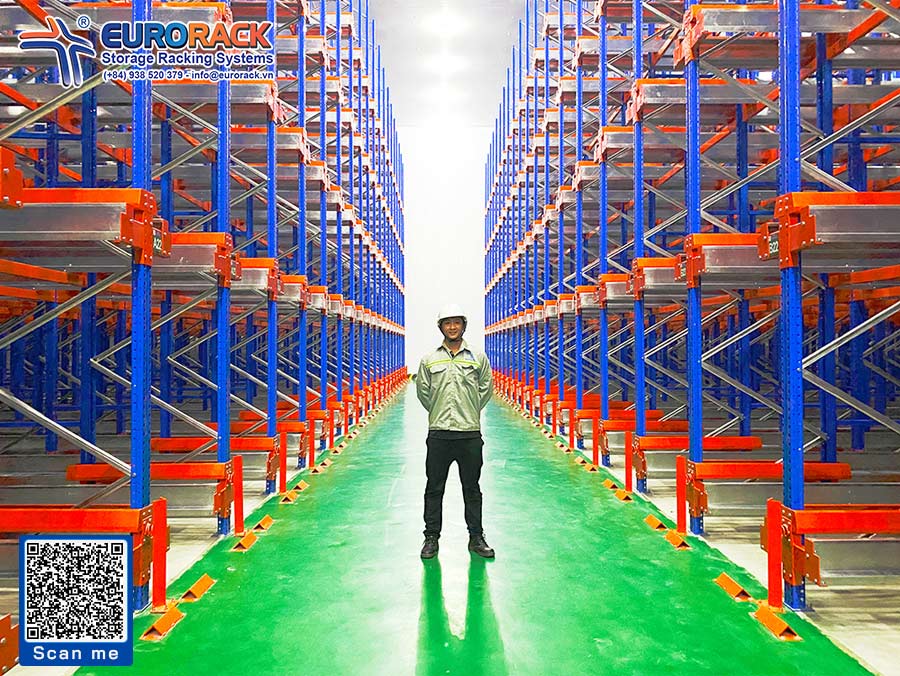
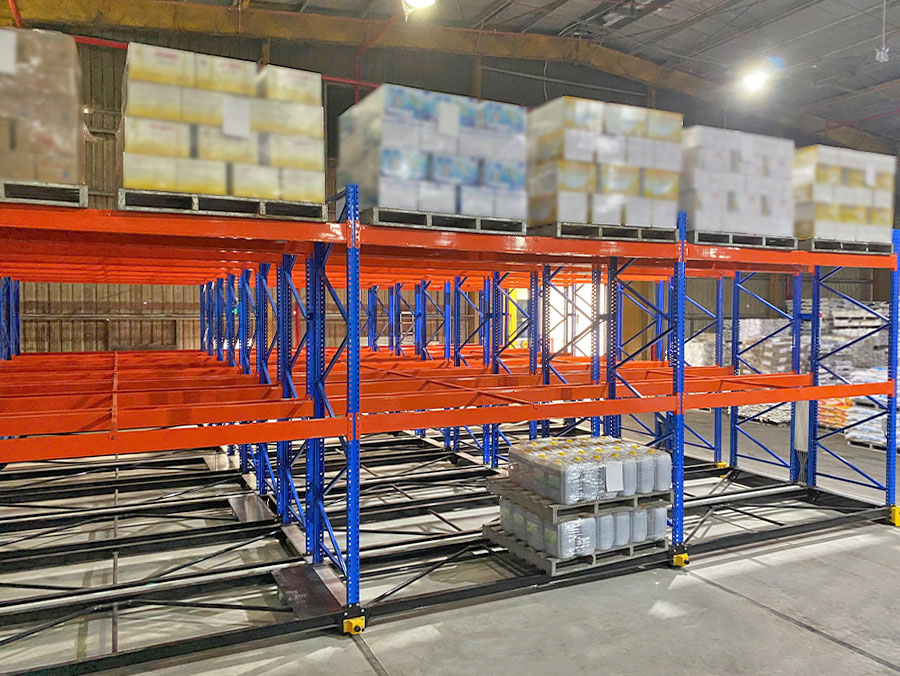
Mobile racking is installed on movable bases, allowing entire rack rows to slide along rails.
Instead of requiring multiple aisles like traditional systems, it only needs a single aisle, significantly optimizing warehouse space.
How it works:
Advantages:
Choosing the right warehouse racking system depends on your business size, budget, and operational goals.
| Criteria | Traditional racking | Automated / shuttle racking |
|---|---|---|
| Investment cost | Low | Medium – High |
| Labor | High | Low |
| Handling speed | Average | Fast |
| Storage density | Medium | High |
| Scalability | Limited | Flexible |
Warehouse upgrades don’t need to happen all at once—they can be implemented step by step.
The current trend is not to completely replace traditional systems but to combine traditional and automated racking systems effectively.
Solutions like shuttle racking and mobile racking act as a bridge, helping businesses:
In the future, warehouse racking systems will evolve into intelligent operational hubs where technology and efficiency are fully optimized.
 Is a warehouse racking system required to be automated?
No, it is not mandatory. In practice, choosing between traditional racking and automated racking systems depends on warehouse size, budget, and operational needs.
For small warehouses or businesses with lower inventory volumes, traditional warehouse racking systems remain a practical choice due to their low investment cost and ease of implementation.
However, as businesses scale and require higher storage density or faster handling, adopting solutions like shuttle racking or semi-automated systems can deliver significant improvements.
Is shuttle racking considered an automated racking system?Yes, but at a semi-automated level.
Shuttle racking uses shuttle robots to move pallets within the system, replacing the need for forklifts to travel deep inside storage lanes. However, forklifts are still used to place pallets at the rack entry.
This system helps:
It is one of the most popular solutions due to its balance between investment cost and operational efficiency.
When should businesses upgrade to an automated racking system?Businesses should consider upgrading to automated racking systems when facing challenges such as:
At this stage, investing in shuttle racking or systems using shuttle robots can significantly improve performance without requiring a full system replacement.
Are automated racking systems suitable for all industries?Not all industries require automated racking systems, but they are particularly beneficial for:
Industries with high inventory turnover and the need for speed and accuracy can gain the most from warehouse automation.
What is the difference between mobile racking and shuttle racking?The main difference lies in how they operate.
Mobile racking is ideal for warehouses that need maximum space utilization without full automation, while shuttle racking is better suited for high-speed operations and efficiency.
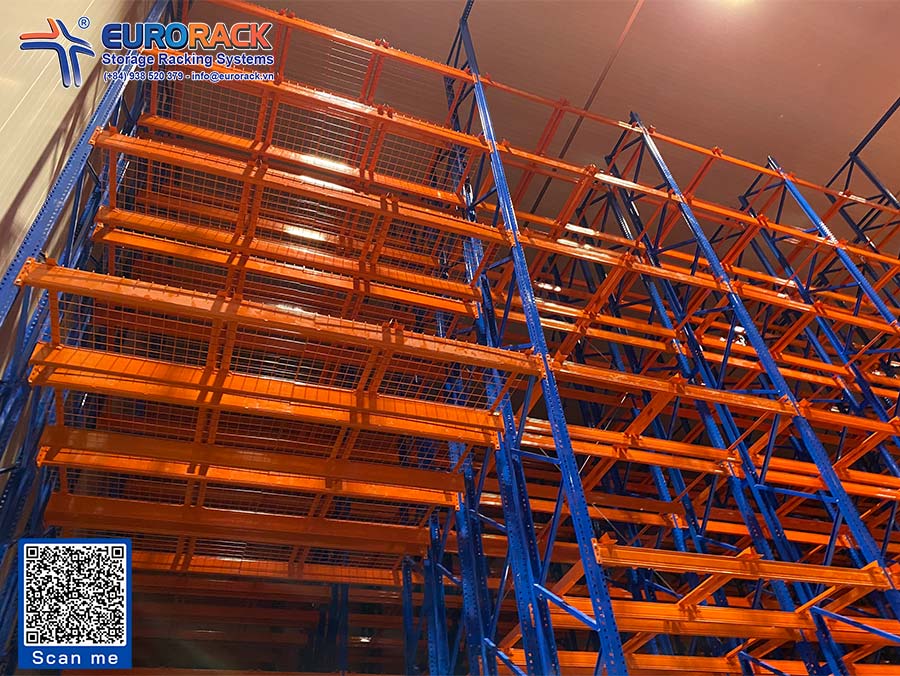
Can automated racking systems be used in cold storage?Absolutely—and they are highly suitable.
In cold storage environments, minimizing human exposure is critical. Systems like automated racking and shuttle racking help:
That’s why many businesses in the food and pharmaceutical industries are adopting these solutions.
Which warehouse racking system is best for my business?There is no one-size-fits-all answer. The right solution depends on:
In general:
Choosing the right system early helps save costs and enables easier scalability in the future.
Do automated racking systems require regular maintenance?Yes. Like any technical system, automated racking systems require periodic maintenance to ensure stable performance.
However, when properly operated, systems using shuttle robots are highly durable, experience minimal major issues, and have a long lifespan.
Proper maintenance not only extends equipment life but also ensures safety and long-term operational efficiency.



.jpg)